A HAPTIC ATLAS OF THE MATERIAL AND SENSUOUS BIOREGION
THE INTERPRETATIVE CENTER:
[ –A GLOSSARY– ]
What is a Glossary? A brief explanation, as in the margins, or between the lines of text, of a difficult or obscure word or expression. Could be a false or misleading interpretation, an interlinear translation, a continuous commentary. From the Greek glóssa, meaning tongue or language. Glossary is a collection of textual glosses, like an atlas is a collection of maps. A plurality. “Everyday language reflects our everyday ways of seeing. But Heidegger wants to slide his fingernails under the most basic elements of existence – the things we barely notice because they’re so familiar – so as to prize them away for inspection. That means making things unfamiliar, usng unfamiliar terms. So you stumble and trip…” Oliver Burkeman. 4000 Weeks, p 58
atlas
An atlas is both a [bound] collection of maps and the Greek hero who supports the world. An atlas is formally recognized as any book or collection that serves a reference purpose or guides someone through complex interdisciplinary narratives; stated otherwise, an atlas is a literal and metaphorical wayfinding device.
An atlas can be an aid in understanding, a guide for pattern recognition, a tool for planning. It is a legacy of knowledge and discovery.
An atlas can be a geography of emotion or a 26” x 34” piece of paper, per traditional papermaking standards.
Because an atlas extends and blurs the expectations of formal geography or cartography, it lives in the spaces of imagination and play.
haptic
The dictionary* tells us that haptic means “relating to or based on the sense of touch.” In use, there is a common and necessary sense of haptic as both tactile and responsive – something must vibrate, move, offer feedback in order to be haptic. In a haptic atlas, an explorer both touches and is touched – in this sense meant both like a handshake that returns your grip and in the sense of an emotional affect. One is moved, emotionally.
This is tactility as relationship. We frequently experience the haptic when touching material: when making something (craft), or baking, or caretaking (material in this case being another human being).
In some usage – for example, with a talisman – touch is the critical experience. Not sight, not simple awareness or thinking about. It is critical that the talisman be experienced through touch; the magic, the medicine, is accessed through touch. This reciprocation is a kind of haptic experience.
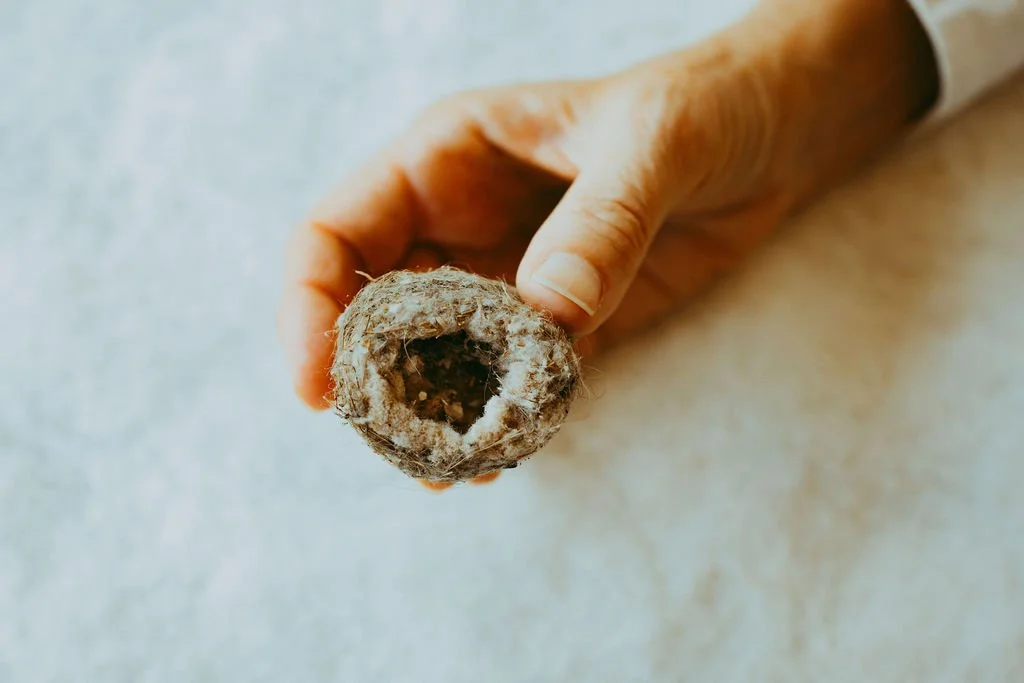
photo of hand with hummingbird nest, photographer: Emelie Rennella
HAPTIC + ATLAS
What then is a haptic atlas?
A Haptic Atlas is a practice, an algorithm of sorts, that lays out a ground for transformation. The journey you take is yours. This is your own quest, with your own reasons for going and a destination only you know. An Atlas is a collection of mappish things, of signals and symbols sent from others who have traveled similar ground. Look to it for clues, for admonitions, for hope. It is not directions, it is not a packing list or a recipe. As Rumi counsels, “What you seek is seeking you.”
To find your way will require vulnerability, openness, and curiosity. The way rewards those who peer around corners, who turn left at crossroads.
An Atlas welcomes those who seek to change. There are many ways to make a life (See Composing a Life, Mary Catherine Bateson), many paths to travel.
“There are more things in heaven and earth, Horatio, than are dreamt of in your philosophy.”
Shakespeare, Hamlet (Act 1, Scene 5)
meaning differs over time and place; in different cultural or social environments
active poetics
Language play as a portal, a way of seeing and sensing differently; how the universe speaks to and through an actant-designer. Connecting poetry and aesthetics – another level of language, beyond the literal, the surface. The body of language that reveals relationships, networks of ideas, sources, connections.
This is poetry, word play, as a dynamic, breathing, changing force that has agency and moves in the world, is active.
“In all beginnings there are words: Words are bridges to the other. Words are a revelation to oneself. Words hang in the air, move from tongues to ears au gré des vents, words penetrate the soil as clandestine fertilizer, their sounds, rhythms and melodies perfuming the air.” – Koyo Kouoh, 2000, A Poetical Journey to Timbuktu, “Gallery: The Art Magazine from Gallery Delta”, September 2000, no.25, pp 17-25carrier bag
From Elizabeth Fisher and Ursula LeGuin, the earliest cultural invention was a container (theory); a method of transmitting information like language, written word; “put something you want into a bag or a basket or a rolled up leaf and take it home with you.” Gather oats and tell stories. A story is a container: holds words, words hold meaning, a novel is a medicine bundle. (LeGuin, Carrier)
A website is a modern evocation of this concept; a carrier bag for thoughts, references, images; it offers a massive distribution network, instantaneous carriage, and is universally (massive caveat) accessible. Accessible to whom? [A long response for another time.]
[hinge = heyiya, LeGuin]
What are the features of a website that allows you to bundle things up and take them home?
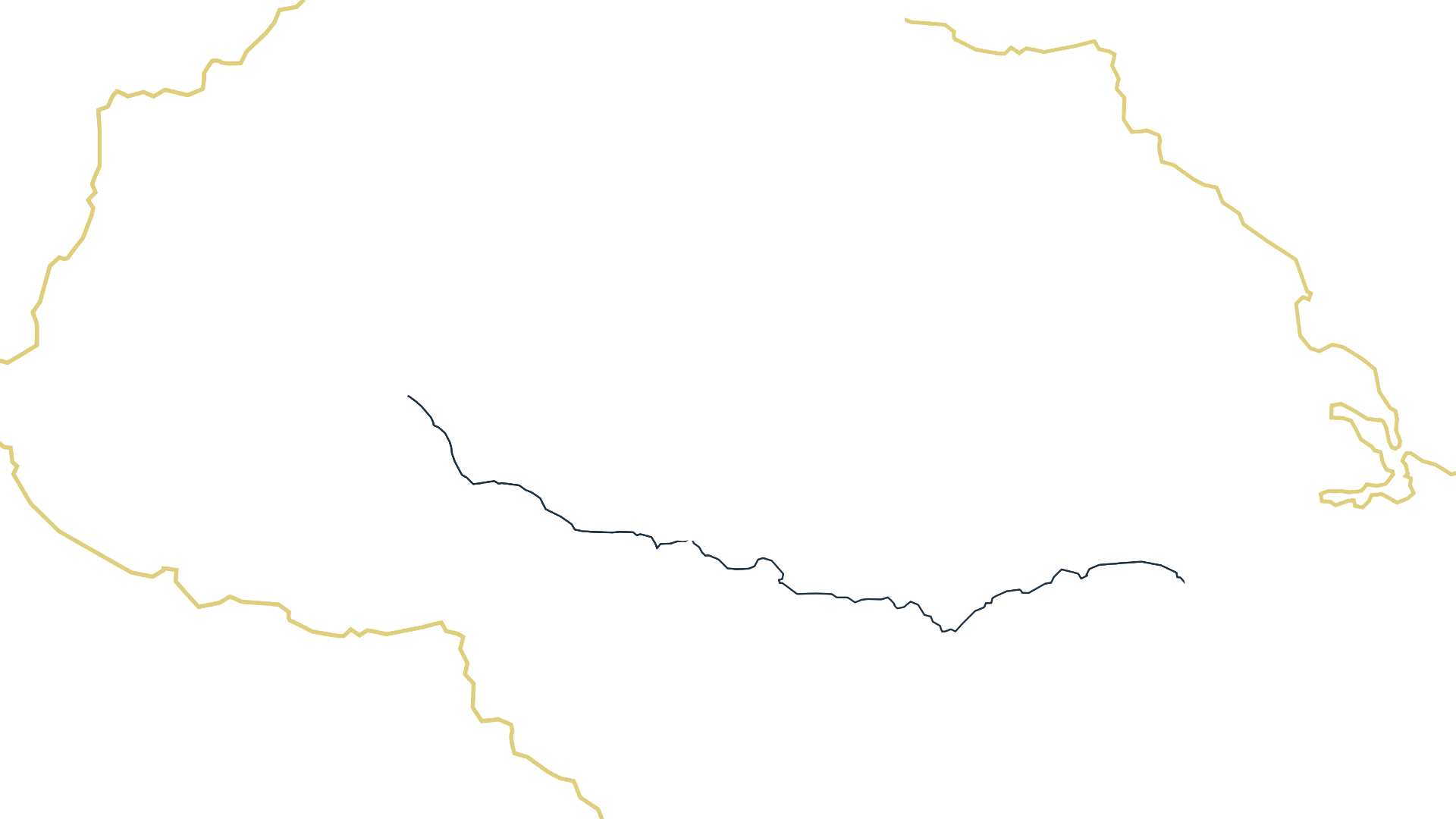
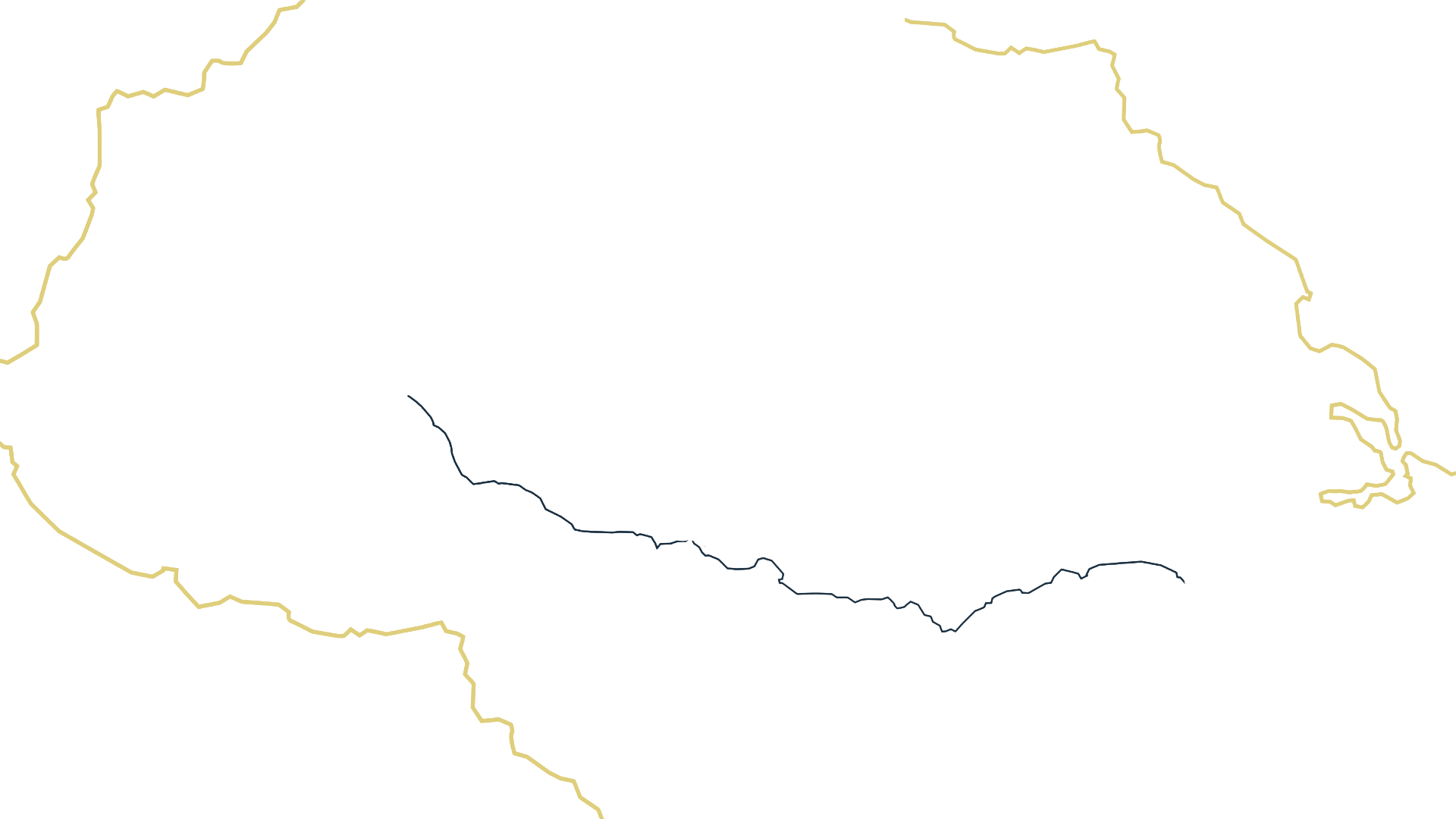
USGS topographical map 1924 edition of Rancho Aguaje de la Centinela, in the public domain, accessed https://maps.lib.utexas.edu/maps/topo/california/
becoming place
An embodied and co-creative research method, developed as part of my research with the Ecosystem Alliance, that invites us to recognize the terrain and our presence within it as the method for discovering what we seek.
Reveals threads connecting practice, place, and knowledge creation. An embodied praxis; suggests paths of revelation and sense-making that touch a deep and urgent query: How does one go about finding that thing the nature of which is wholly unknown to you? (Solnit)
Suggests an ongoing unfolding, is an active praxis.
[ed note: one could use a haptic atlas]
bioregion
An ecological site known by land and weather and the creatures who reside within it, yet also someplace felt; somewhere dynamic, in relation, that contains many parts. Perhaps a bioregion is an ecological form of a carrier bag. A bioregion consists of multiple ways of being, multiple ontologies: many spaces, many houses, many stories, species, forms, and interdependencies.
A bioregion is a living field, and as such it holds, it is, intelligence, touch, sound, memory, migration, wind, palimpsest, growth. It is not something to look at but rather something to participate in.
A bioregion contains resources, boundaries, and needs. Trickster lives on the edges of these regions, where transformation and repair can occur. (See below for more on Trickster.)
curriculum
A curriculum is a happening + a purpose + an ethic. It is how to navigate the complexity of living well: multi-faceted, multi-disciplinary. It can be accessed, understood, and used in ways that suit your ecosystem, demographics, preferences.
A curriculum could be a site of possibility. It should not be reduced to only a class, or a syllabus, or a formal body of study – although it is often presented as such. It does transmit information, ideas, skills, knowings, tools between two or more people – or even between the human and more-than-human. A curriculum can be formal or informal, explicit or implied. When presented as a traditional curriculum, there is an implication that the specific subset of ideas or skills in question have been consciously gathered and ordered in a specific way, by the one who wishes to transmit the ideas.
One might also posit that a curriculum could be an intrinsic unfolding of the experience of being alive in this world, in this place, in this way, and that a human, observing, breathing, thinking, might absorb the lesson(s), intuit the information, ideas, and/or skills, through thoughtful presence.
A curriculum is a philosophy, a hope, and should be life-giving. It should activate a sense of agency and possibility.
gesamtkunstwerk
A 'total work of art', combines multiple mediums or experiences into one singular whole
[ed note: like a Haptic Atlas]
Akin, in some imaginations, to thick mapping (see ATLAS page for more musings on this subject).
ineffable
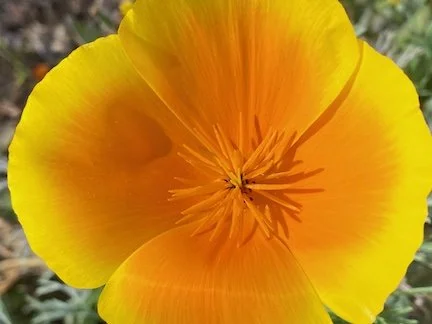
In the catalog that accompanied the 2026 Venice Biennale, In Minor Keys, the authors write that ineffable is “that which escapes logic, language systems, category; the dimension beyond reason in which we forge meaning from our lived experience.” p27
The dictionary suggests indescribable, unspeakable.
I’d like to savor the space between that which we can experience but cannot speak of; why is that space beyond language?
(https://www.merriam-webster.com/dictionary/ineffable)
material
What we make with, such as clay, or cotton, or metal, pine, leaf waste, rubber. For a writer, material might be ideas, thematic elements, or the emotions she uses for inspiration. Frequently something tactile, equally something conceptual, metaphorical. So the material bioregion is everything we can touch about it. All its surfaces, creatures, waterways. And all the events that occur there.
Material can also mean “of substance,” as in, relevant. Is such and such a material fact? Yes, it is.
Our bioregion asks us to consider its tangible (material) reality, its is-ness, and also its there-ness. It IS material. It matters.
To extend, the body too can be material: “‘Anthropologies of the Body’ often view the human form as a sort of text, onto which meanings and experiences are inscribed during people’s lives, rendering the body effectively as an artefact of material culture.” –Martin J. Smith, A. Starkie, R. Slater & H. Manley, “A life less ordinary: analysis of the uniquely preserved tattooed dermal remains of an individual from 19th century France,” Archaeological and Anthropological Sciences, vol. 13, issue 3, id. 55, March 2021.
ontologies
Ontologies are multiple ways of being, are connected knowing.
Ontologies tell us what the nature of things is, and how they are related, and what ethical stance they take. It is a term used often in philosophy, but has also been applied in software development, a seemingly unconnected fact that reminds us that our technological tools are, actually, worlds we are creating. In this sense, they enable us to apply knowledge from one area to another, to make our assumptions clear, to analyze and distinguish.
otherwise
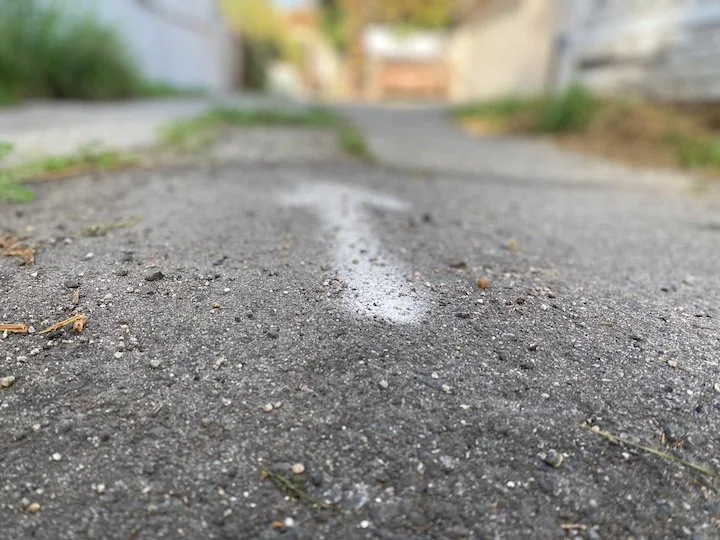
The dictionary tells us otherwise means in a different way, in different circumstances. Donna Haraway gives the idea some heft, as she leverages it to poetic effect in the oft-referenced expression on stories: “Storying otherwise,” in Haraway’s expression.
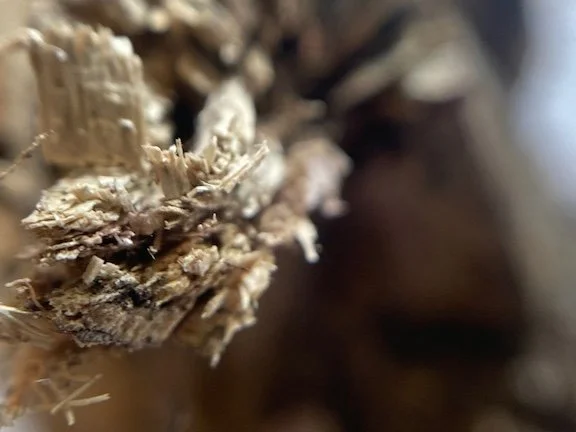
objects make us rethink language, remake language
re-imagining
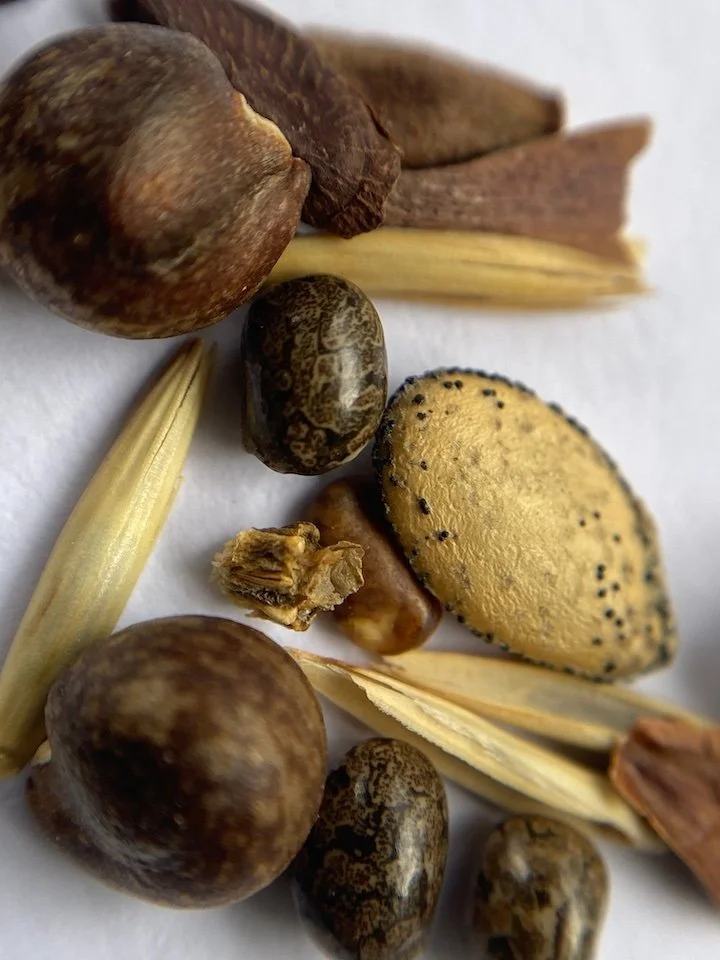
an intentional practice of refusing given stories; imagining new ways of being grounded in new ways of thinking.
regenerative
To borrow from the MA in Regenerative Design course at Central Saint Martins: Regenerative Design incorporates principles of deep ecology and living system thinking (Naess, Capra, Reed), regenerative cultures (Wahl), circular design (Webster), autonomous design (Escobar) and a fundamental understanding of planetary health to develop new creative propositions that can help restore our biodiversity, climate and empower communities through design. Regenerative design actively promotes a multi-species approach where human and non-human species co-habit holistically.
Regenerative design shifts process toward collective action and shared responsibility–possibility. It evolves beyond sustainable design to consider the more-than-human and the entire ecosystem, and is practiced locally, in context.
resilience
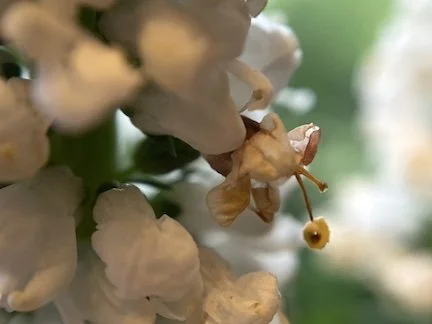
Resilience weaves emotional fortitude to a capacity for thriving, it suggests not merely endurance but also being able to maintain one’s vibrancy – even if dampened. Resilience is a stubborn refusal to be devastated by circumstances. It may stem from a creative response. The Japanese expression “fall down seven times, get up eight” reflects the spirit of resilience.
sensuous
Tactile, emotional, sensory experience. Breath. What and how one smells, sees, intuits, feels, hears, tastes the world. Goosebumps, the heady aroma of night blooming jasmine, sand between your toes, the fog rolling over a landscape, every kind of wind, the laughter of someone you love. For more and more on sensuous, see David Abram’s The Spell of the Sensuous and Andreas Weber’s Enlivenment.
social practice
Susan O’Malley writes “There is a really rich history of [artists] who work in ways that are not necessarily object-oriented. . . work is connected to the way you think, the way you live your everyday life, a way of seeing and observing. . . . We need our audience to make our work become what it is.”
“Wayfinding, then, more closely resembles storytelling than map-using.” Tim Ingold, as quoted in Design and Nature: A Partnership, p 29

trickster
A mythic character, prevalent in cultures across the world. Appearing variously as Coyote, Hermes, Mercury, Krishna, Eshu.
The trickster is generative power; his actions can appear asocial, but their transgressive nature is what enlivens our world, proves its flexibility. The trickster is the god of change, the one who turns stories on their heads.
He is the god of the threshold, and often appears at crossroads – always in-between.
For more, see Lewis Hyde, Trickster Makes This World.
wayfinding
The cognitive, social, and corporeal process and experience [ed note: i.e.,embodiment] of locating, following or discovering a route through and to a given space. (Symonds, Brown, Iacono, Exploring an Absent Presence: Wayfinding as an Embodied Sociocultural Experience, 2017)
How one anchors oneself in the landscape; how one interprets the terrain to find direction [meaning]. To be able to find one’s way contributes to a person’s sense of agency and belonging. Thinking and physically moving through space, including mental, physical, imaginative, and speculative modes. Requires a form of systems thinking.
“…maybe how you feel is where you are and that where you are impacts how you feel.” Toward the Not-Yet: Art as Public Practice, eds van Heeswijk, Hlavajova, Rakes, p 222.