A HAPTIC ATLAS OF THE MATERIAL AND SENSUOUS BIOREGION

N
e
s
ting
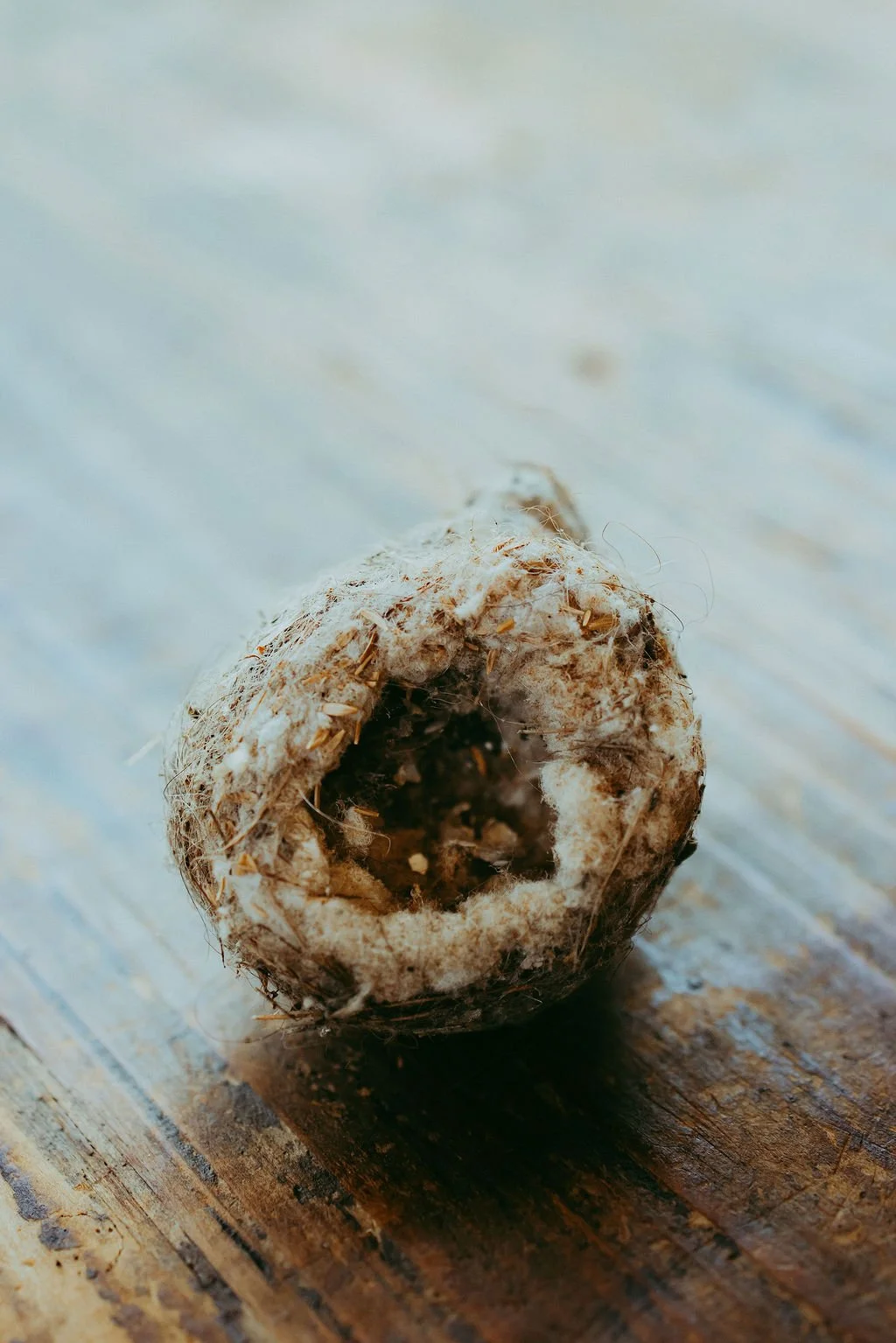
“…home being another, larger kind of pouch or bag, a container … the area that contains what is sacred…”
Ursula Le Guin, Dancing at the Edge of The World, p 168
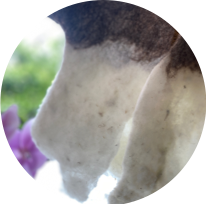
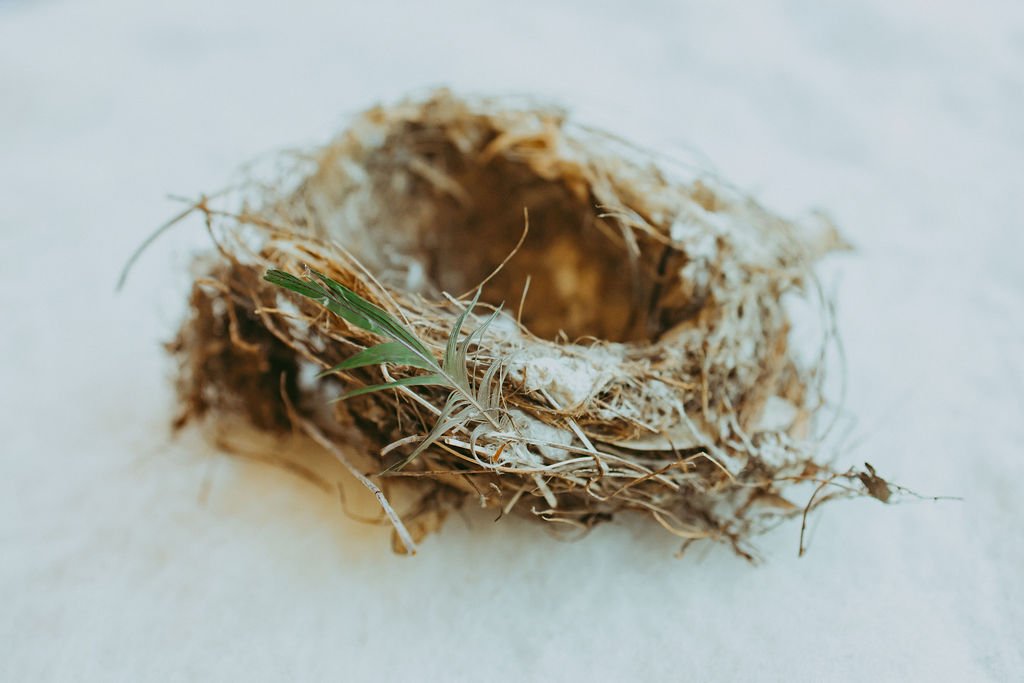
Hummingbirds weave their nests from the silk of spider webs.
photo above: Emelie Rennella
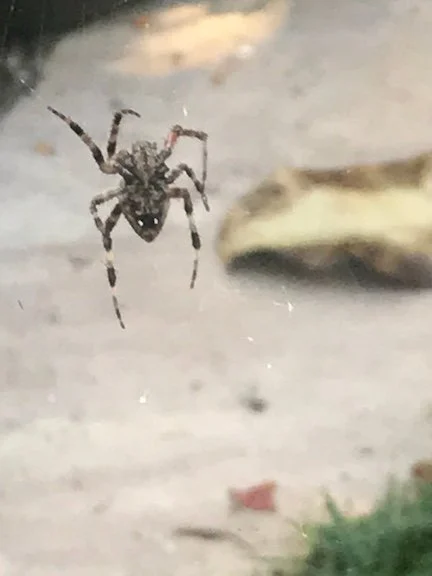
photo of bird nest above: Emelie Rennella
Animal nests are related to the scale of the body, they are “perfect responses to the specific patterns of life of the species in question.”
from Nesting: Body, Dwelling, Mind, by Sarah Robinson with a preface by Juhani Pallasmaa, p 3
We cannot mentally survive in a placeless, scaleless and meaningless physical space. We inhabit our physical world through structuring it into mental space; by turning infinite and uniform natural space into distinct places and giving these places specific cultural and mental meanings.
From ‘The Human Nest’ by Juhani Pallasmaa, a preface to Sarah Robinson’s book Nesting: Body, Dwelling, Mind, p 1
“The nest protects and supports the body, but it also centers and organizes the occupant’s world; the world gathers and structures itself around the nest. The intimacy and hapticity of the nest project …. the most intimate space… Pallasmaa p3
“…the house mediates between the world and the dweller….” Pallasmaa p4
“Our thoughts are shaped by our bodily interactions with the world.” Robinson p 13
“In their seminal book, Body, Memory, and Architecture, Kent Bloomer and Charles Moore conclude, “What is missing from our dwellings today are the potential transactions between body, imagination, and environment.” Robinson p 16
We are nested in a material embrace. Our mind is nested inextricably within our body as we are nested in the felt curve of home; home is nested successively in landscape, city, and world. Dwelling is not passive but positive, an action verb. Our nests are our mirrors, we can only make what is inside of us. Coleridge wrote, "For all we see, hear, feel and touch, the substance is and must be in ourselves ... all things shall live in us and we shall live in all things that surround us."
from Nesting: Body, Dwelling, Mind, by Sarah Robinson with a preface by Juhani Pallasmaa, p 25r
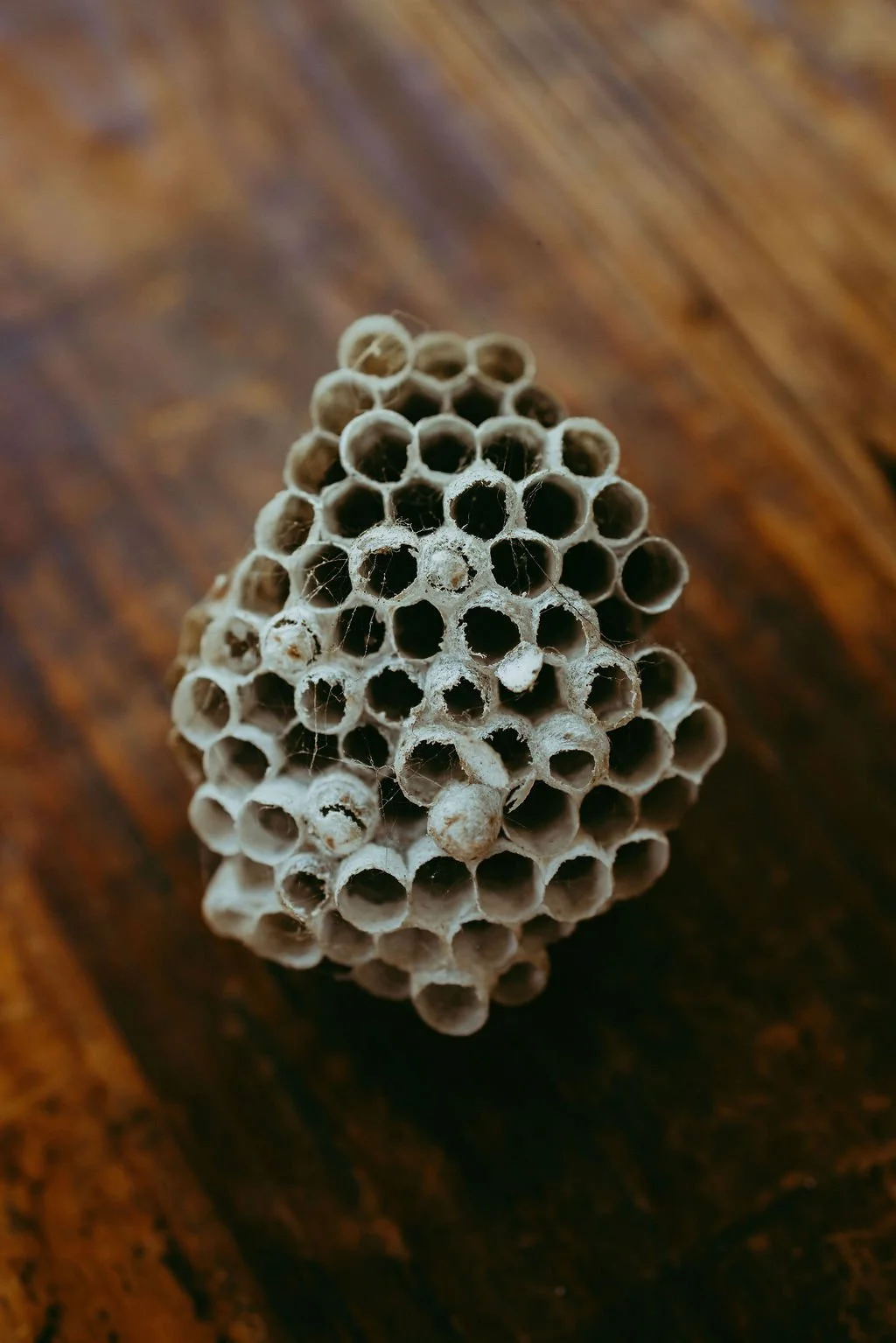
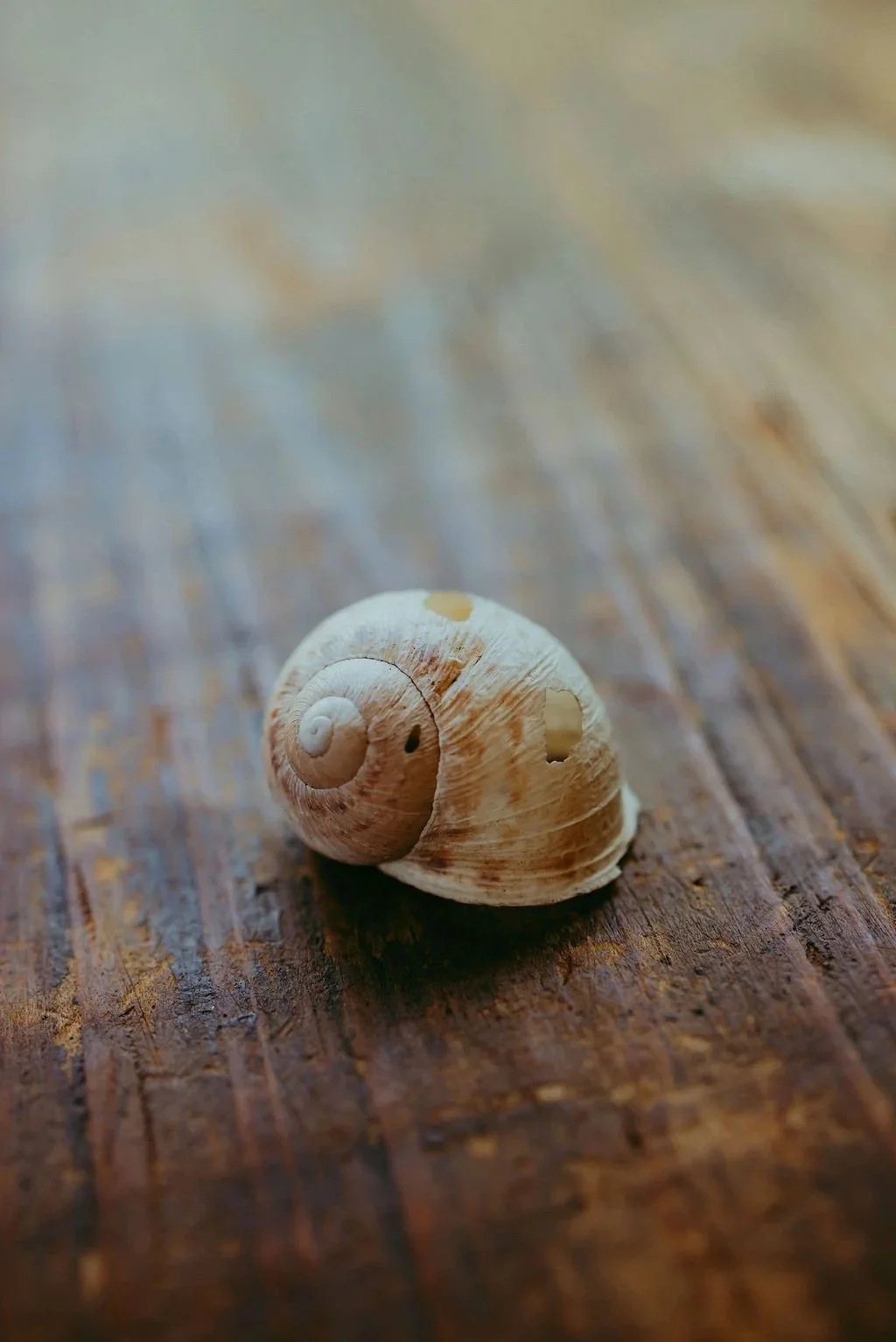
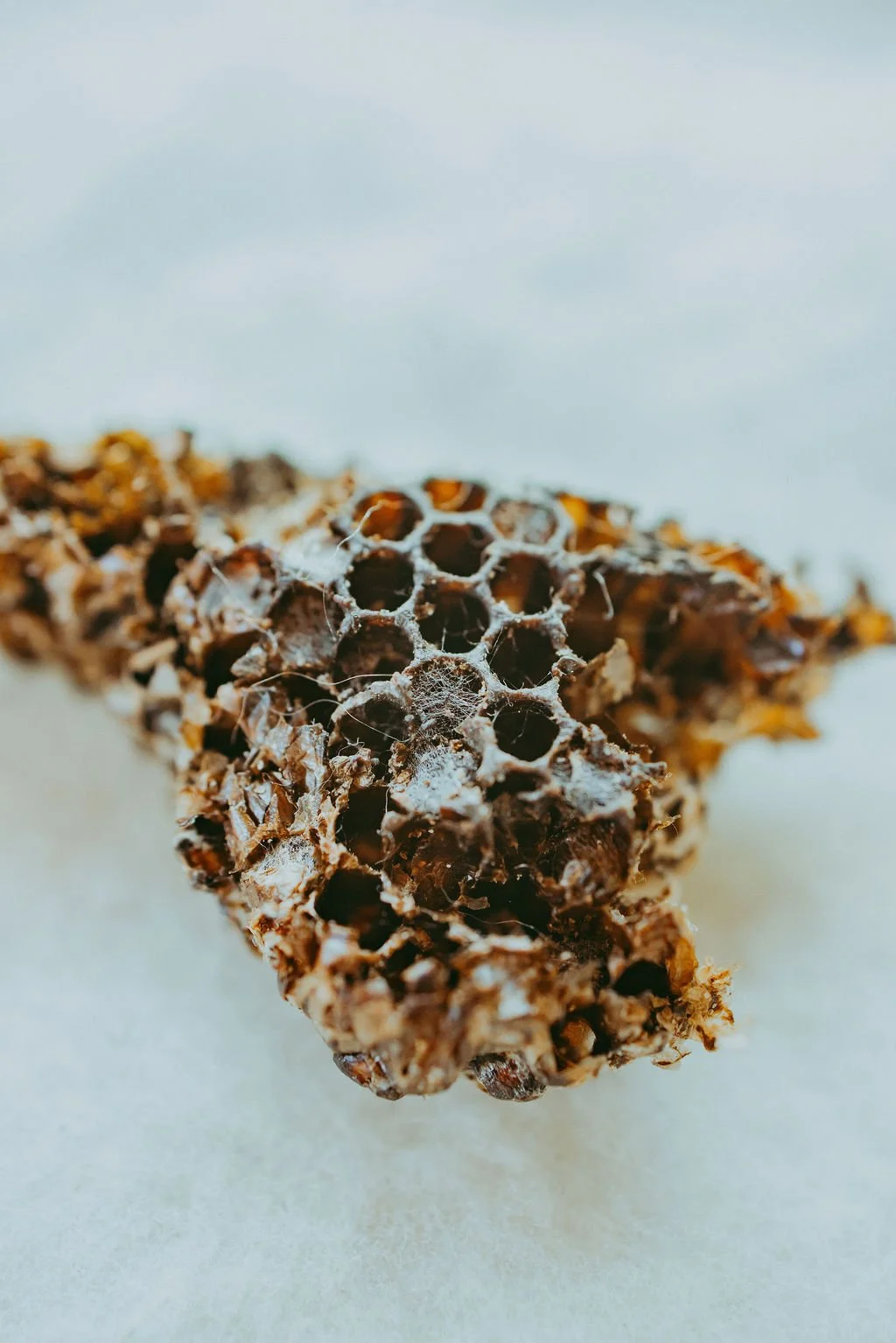
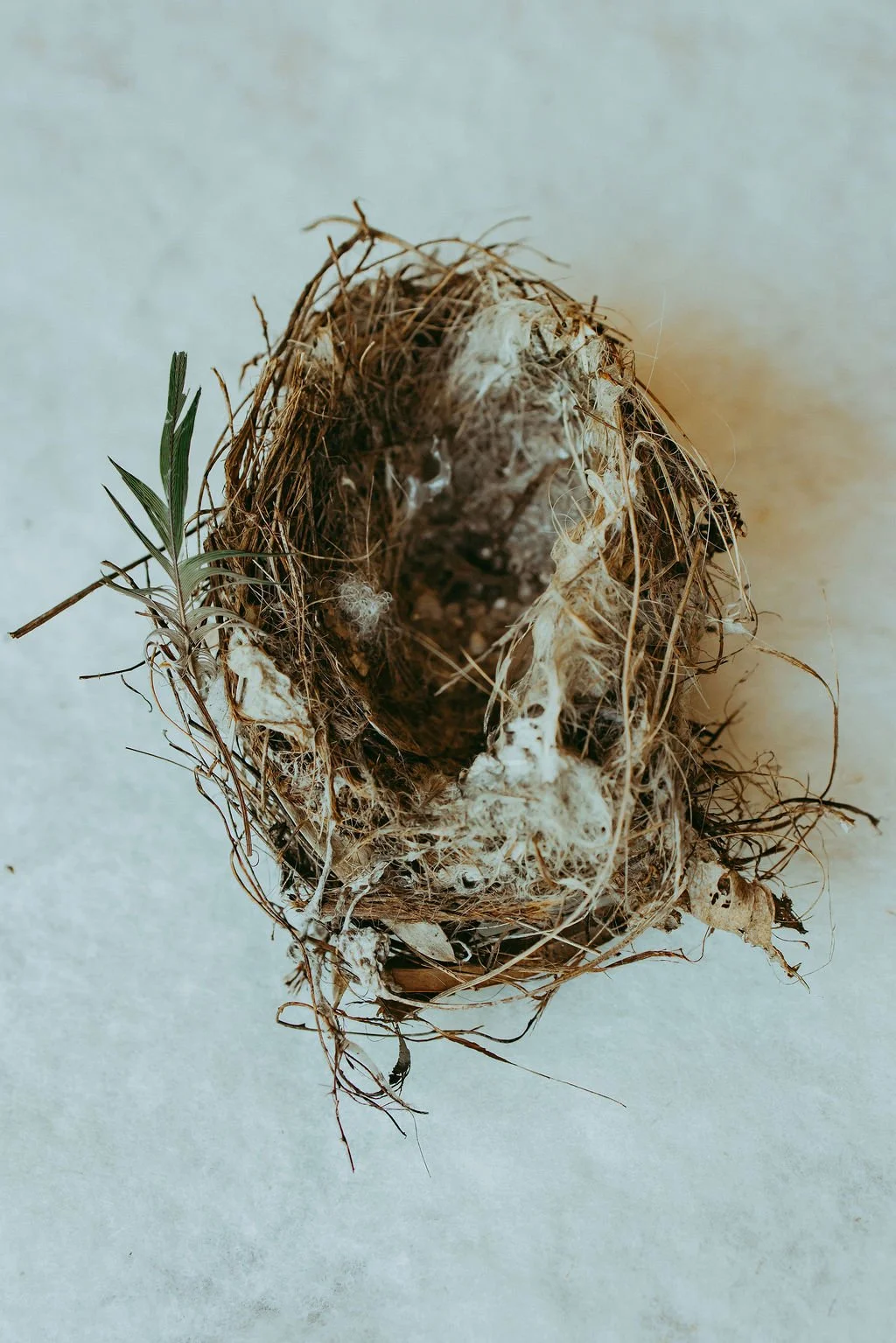
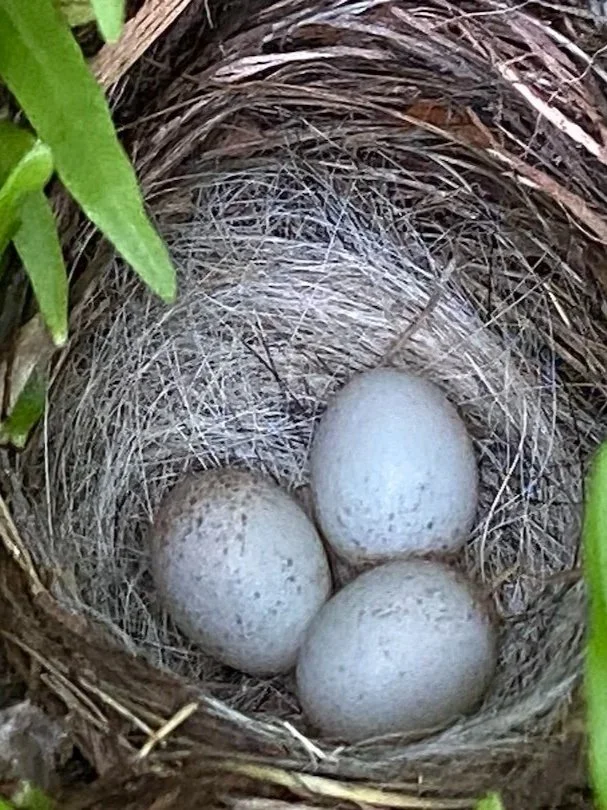
photos: Emelie Rennella
Like an unfolding poem, the meaning of place is re-enacted again and again by the participants. Nesting p145
Nest builders are deeply connected to their environment and their constructions tend to match their local climatic conditions. Source here»
From a newsletter sent by Atmos on Sunday, June 14, 2026. The below is an excerpt from the digital feature, “Robert Macfarlane on How to Love Birds in a Time of Loss” by Robert Macfarlane and Jackie Morris. Read the full story here.
A great thinning of the skies is underway. There are 3 billion fewer birds in North America than half a century ago. Five hundred million fewer in Europe. Seventy-three million fewer in Britain. Worldwide, over 60% of bird species are in decline. That which was once called “common” is becoming rare: The “common eider” is now in the same global conservation category as the jaguar. Dawns and springs are quieter; the air, emptier. An ancient avian orchestra is falling silent. An almost unimaginable abundance has been lost….
Absence is harder to track and feel than presence. The ghosts of gone birds fade quickly from memory. Shifting baseline syndrome habituates us to sparser skies.
It does not have to be this way—but we will not save what we do not love, and we rarely love what we cannot name. Noticing is the first step to naming; naming the first step to knowing both things and the relations between things. Knowledge may lead to wonder, wonder to care, care to action, action to change. But this is a fragile chain, easily broken—its links must be reforged and rejoined, over and over again.