A HAPTIC ATLAS OF THE MATERIAL AND SENSUOUS BIOREGION
A Not-Coat is an artefact-as-portal into a haptic atlas, as evocation of place, home, shelter, relationship
You Must See How This Could Be You: A Not-Coat, 2026
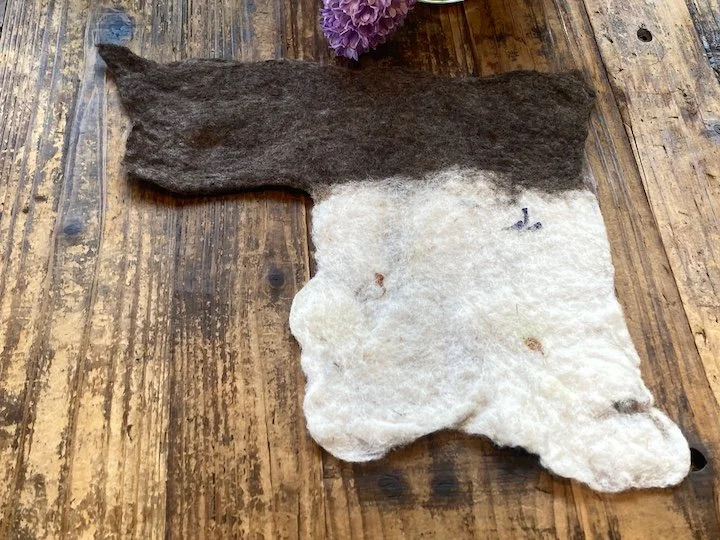
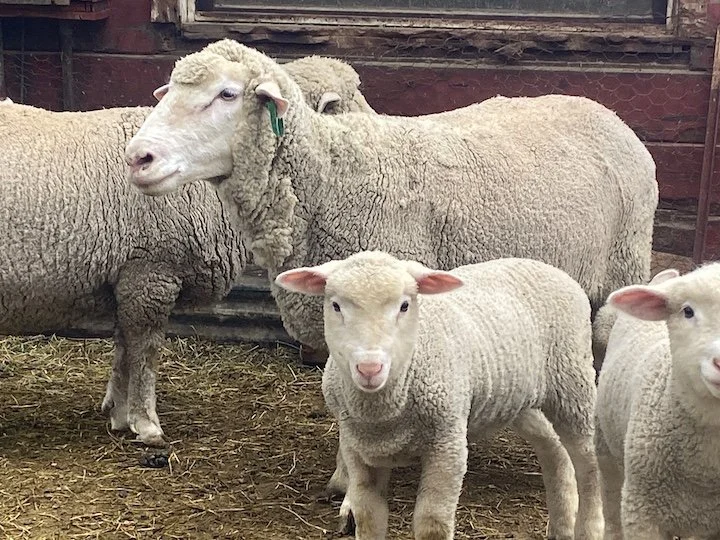
cream and brown wool from Rancho Grande in Ojai, California; water, soap, marigold, chamomile, hairy vetch, sweet pea, flax, lavender, various seeds
making as a portal to living well
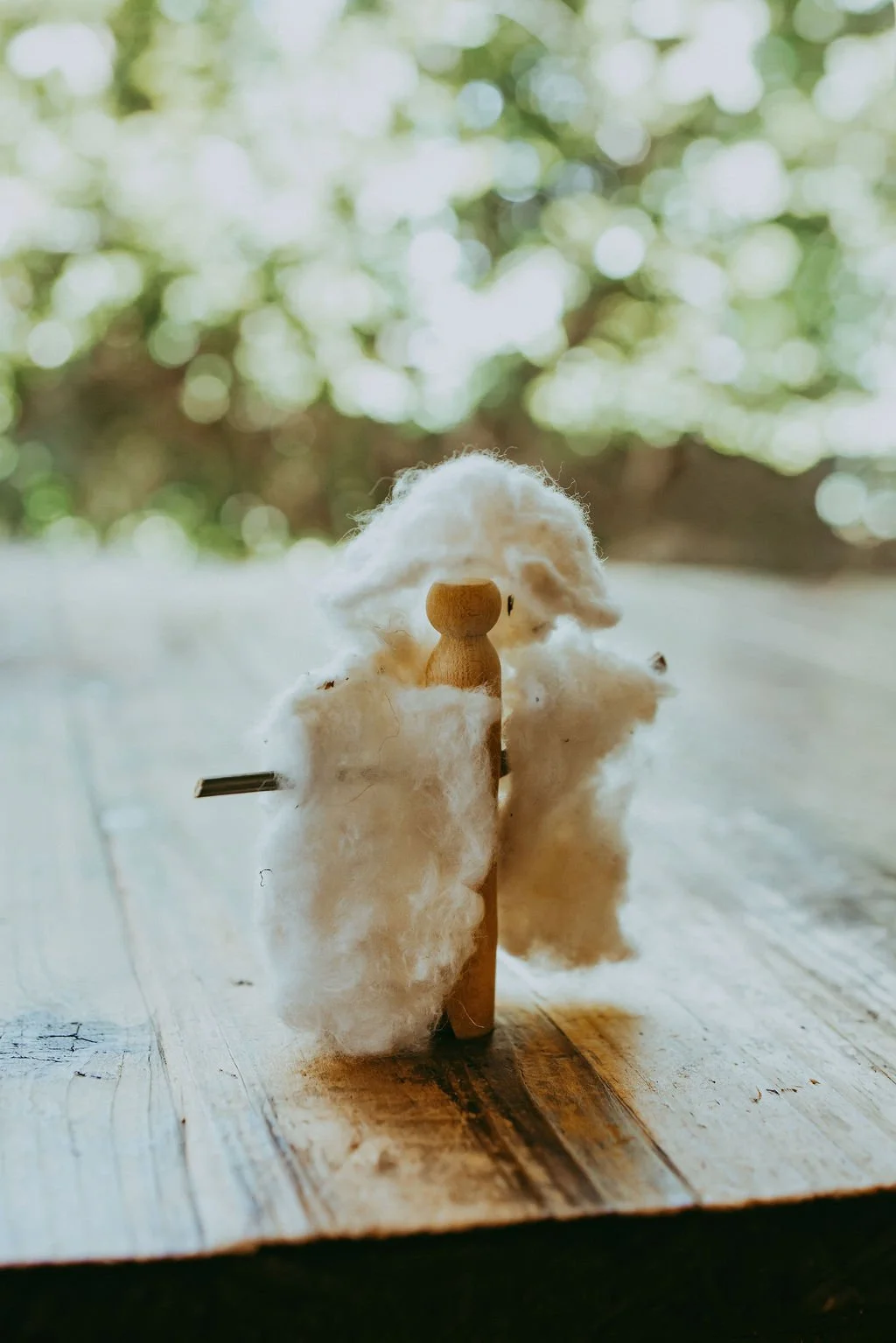
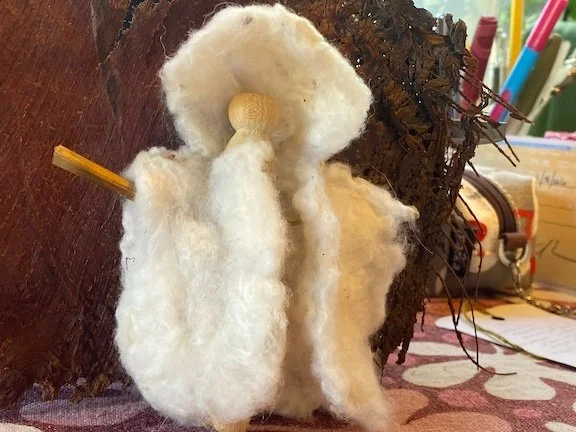
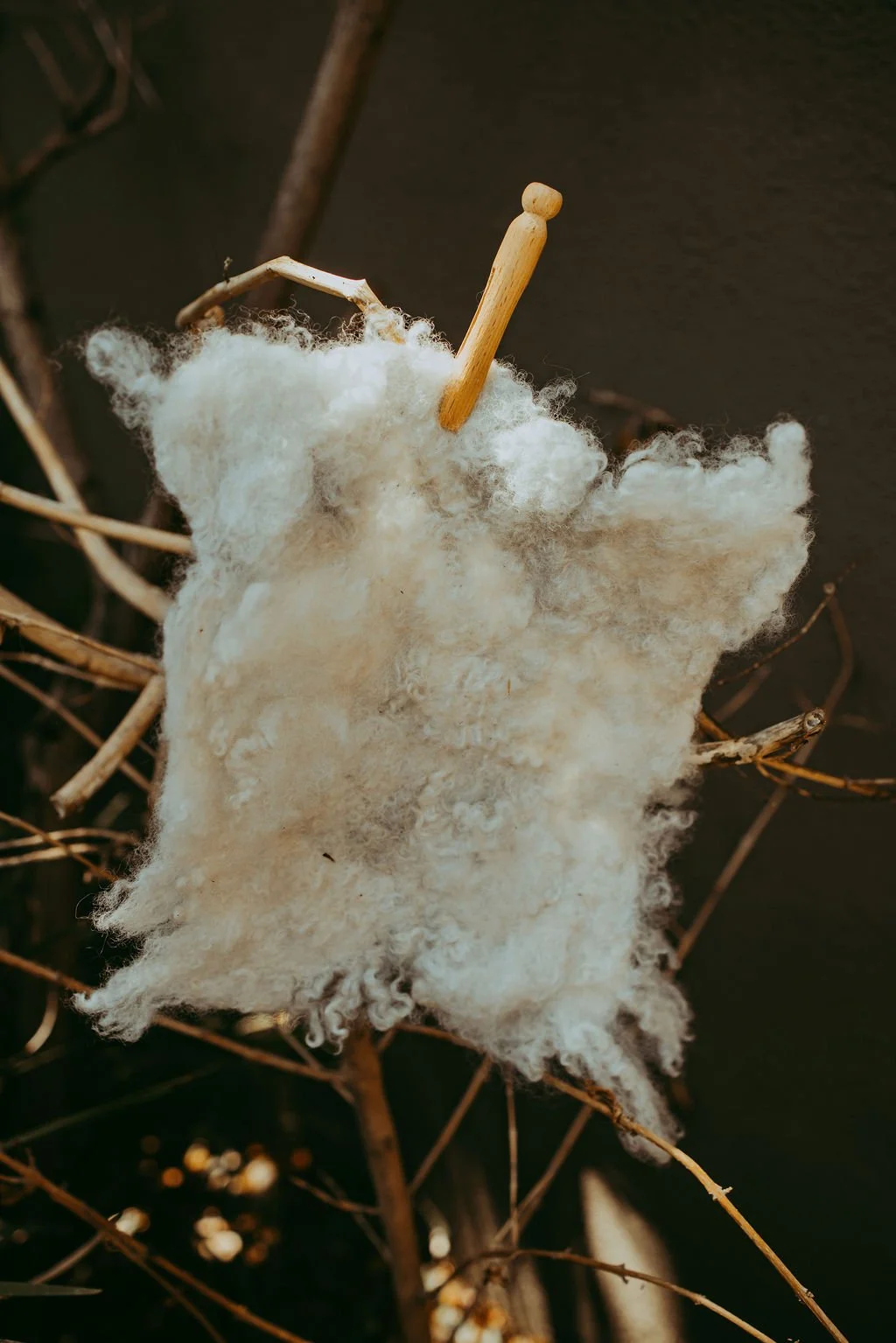
Prototype of the Not Coat*, an “artefact from the future,” needle felted cotton, seeds, twig, thrift store clothes pin, 2026. photo: Emelie Rennella
A time-based experience expressed as a physical artefact.
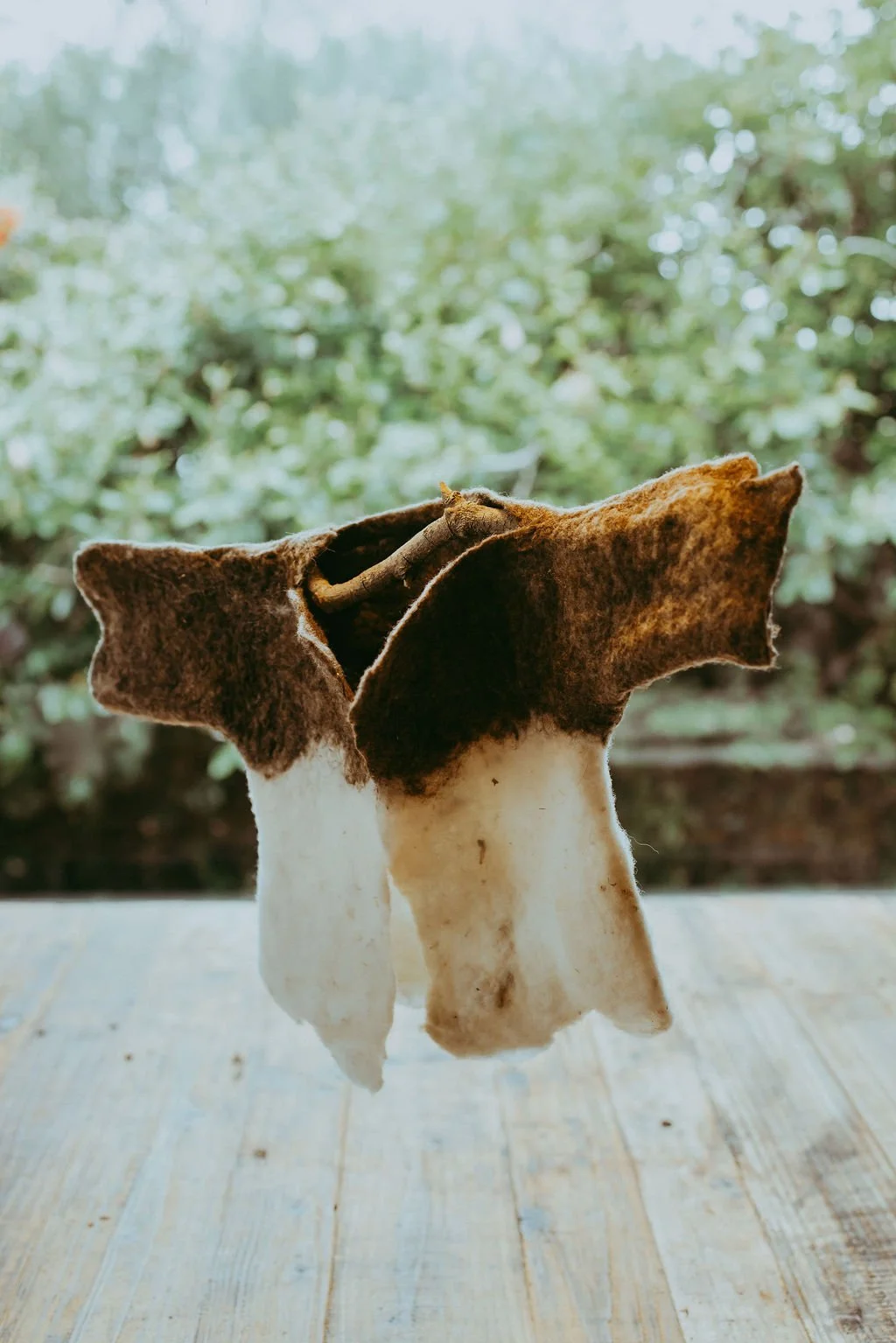
photo: Emelie Rennella
The Not-Coat is crafted from the material of a civilization-long agricultural (livestock) system, made possible through relationship, and symbolically holds what one needs to thrive: chamomile (medicine), berry seeds (food), flax seeds (fiber), comfort, and relationship to place. In other iterations a Not-Coat could also contain a key, bark, or thread. As craft, the Not-Coat activates a haptic atlas, a tactile portal to finding one's way toward thriving, and is therefore a path-making [wayfinding] tool through which we construct our realities.
The coat-object represents materiality, local ecologies, local production, skill-building, and individual agency. It is a central component of this Atlas not because a coat has not been made before, but because a coat has not been made by me, in this way. As such it materializes this place, these relations, my agency, my growth, this behavior change. This is a time traveler's coat, a refuge, a lived process. It is a way of knowing place and self. In this manner, the coat has become a geographical toolkit of this material and sensuous bioregion. It is protection, talisman, sleep sack, carrier bag. Its ground is wool, matted through friction and heat and soap, and contains a narrative that is not orderly and linear but rather entangled and inter-relational. It signifies, too, a naturalized person on land not of her ancestors, a person from multiple lands and multiple ways of doing and being, seeking a way in my here-now to belong respectfully. The Not-Coat is the past, present, and future hopes for this place. This Not-Coat is imaginative yet materially grounded, exploring what becomes possible when we reconsider traditional technologies as future innovations.
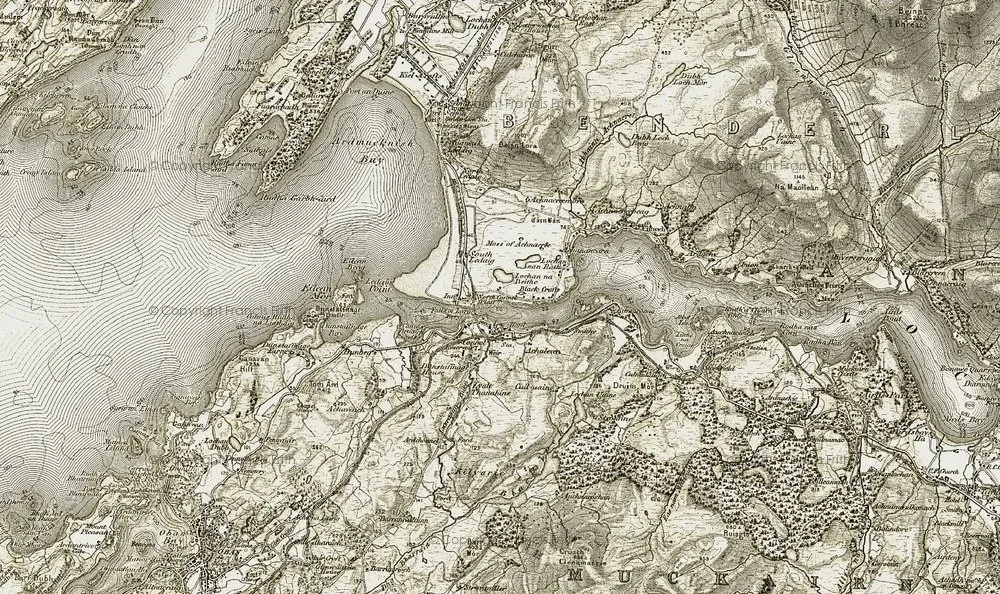
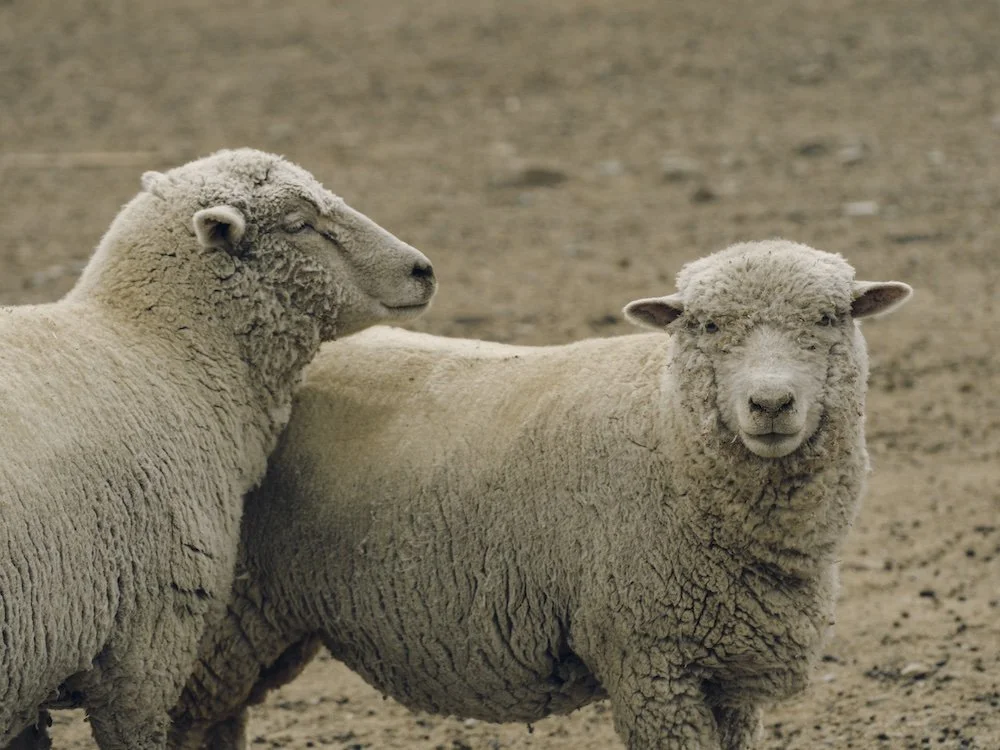
photo: Madeline Tolle
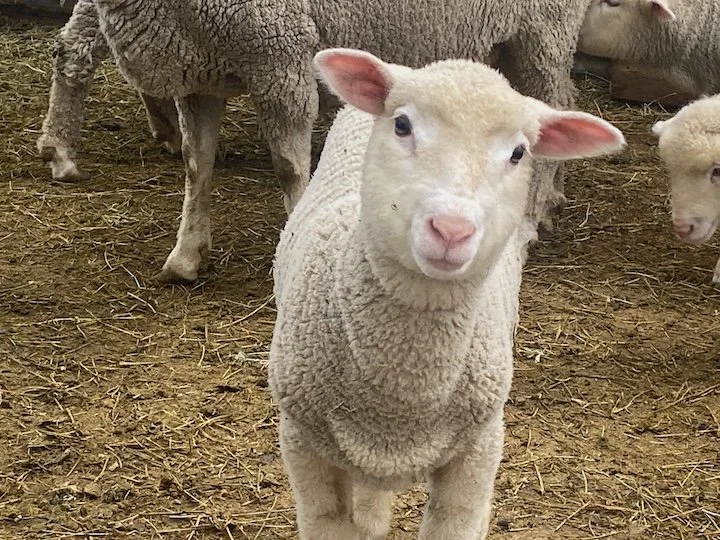
The Not-Coat engages one of the oldest material forms of human technology – wool – and its attendant histories of shepherding, transhumance, and human-animal reciprocity. Wool is magic, wool is a shape shifter. It can remain wispy, spin into yarn, felt into cloth. It stays both warm and cool, offering temperature regulation; it is antimicrobial, waterproof, and can be transformed without chemicals. Wool is an ancient technology, upon whose heritage more and more advanced forms of human technology have been built. Sheep and wool meet immediate human needs: for food, for shelter, for clothing, to knot a carrier bag. This is Not-Coat as a container, as the story, as "the bag of stars." (LeGuin, 1989)
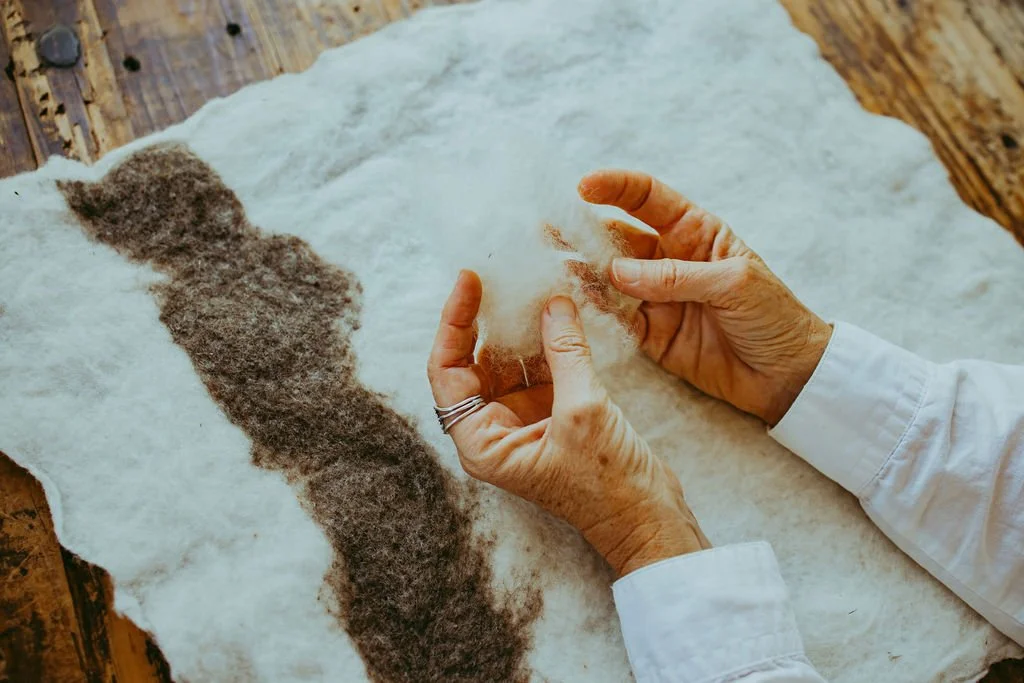
photo: Emelie Rennella
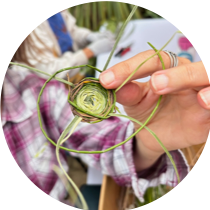
In this practice, I become a co-author with the material; the Not-Coat then represents making as a research method. It celebrates craft's power to change how we see the world, how we see each other, and how we see ourselves. So craft, by way of artefacts / making, is a foundational element of a haptic atlas. A Not-Coat represents engagement and agency; you activate this portal through your hands, through tactility. Allow the material to teach you. (Bardt, 2019) You have to make your coat yourself. The pattern, the material, the technique: they come through you. You can look around you, borrow from others (as appropriate, with respect). You should not do this alone. The making is relational, with community, with the more-than-human. But you must know you too can make something. You can spin straw into gold, you can build a bridge across a chasm with the materials and tools you find on hand.
I imagine a Not-Coat in the way that a khipu is not, in fact, pieces of knotted string, but rather a sophisticated narrative device, possibility of accounting, or histories, or places or all and more. So the Not-Coat too is a shape-shifter, it holds trickster energy, and its materially haptic experience is critical to the deeper resonances of an atlas.
process
what are you touching? what is touching you?
❋ techniquewet felting and needle felting; embedded seeds, leaves, and incantations; friction, time, serendipity, practice
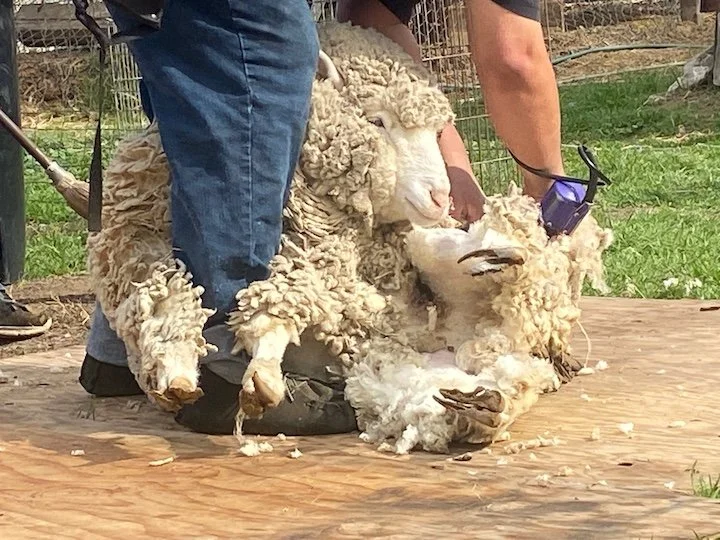
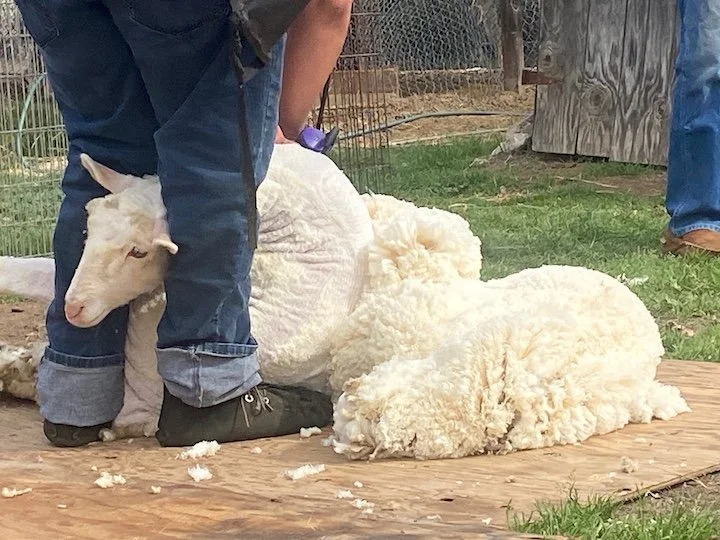
❋ shearingperformed by a local shearer, with one assistant; travel the region (heritage craft)
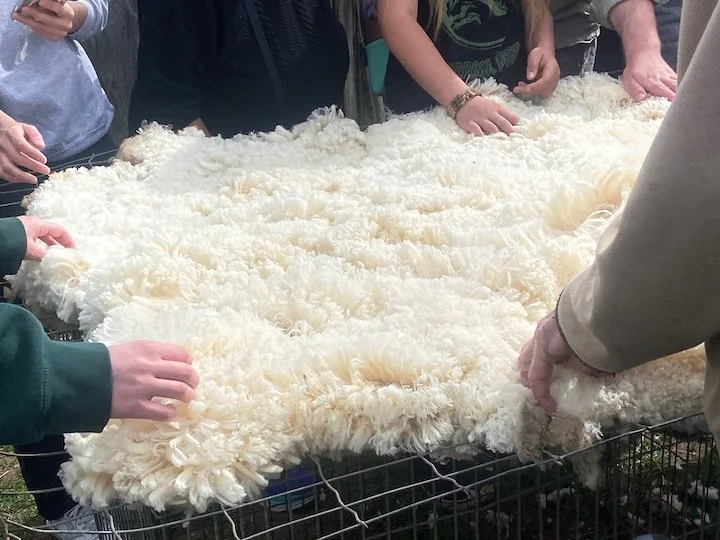
❋ community also local, majority known to each other, share knowledge of fleece, scouring, carding, spinning, workshops; members of same guilds
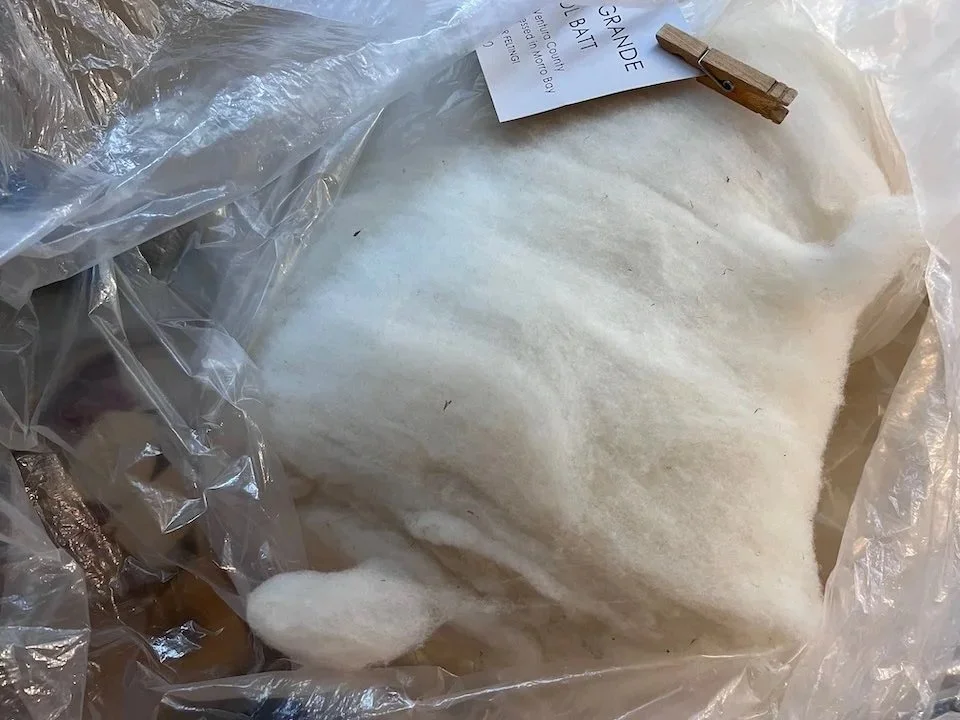
❋ transportation raw fleece purchased by the artist and transported by car; batts delivered to me by a mutual friend of the rancher
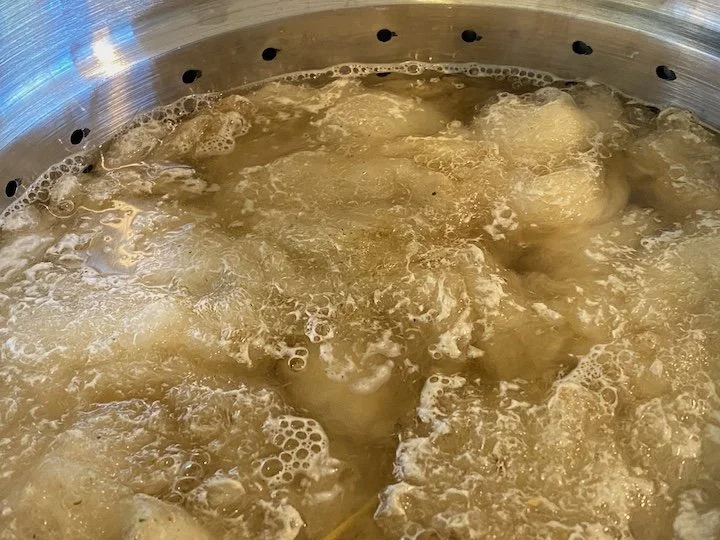
❋ material needs water, soap, heat, bubble wrap (upcycled, material has been on hand for years)
❋ methodplace-based practice, fieldwork, material ecologies, community engagement, research-creation, documentation
❋ history of land useone source ranch is on a national forest with a federal easement; second is on residential land zoned for agriculture use from early 1900s (state); both flocks are owned by private families
Activate your relationship with the world, with people, with your internal compass, through making
Allow the material to speak to you, respond to it. When is it resisting? When is it easy? Do you have an image in mind of the finished object? Are you using a pattern, or constructing something hybrid and of your own imagination?
outcome
enacting agency, skill building, relationship building
Notes on Making
ONE: A COTTON COAT
material: from bolls gathered at a cotton farm in the San Joaquin Valley
technique: needle felting
Prototyping shape, technique, attachment, integrating additional materials (seeds)
FOUR: A STUDIO TEST
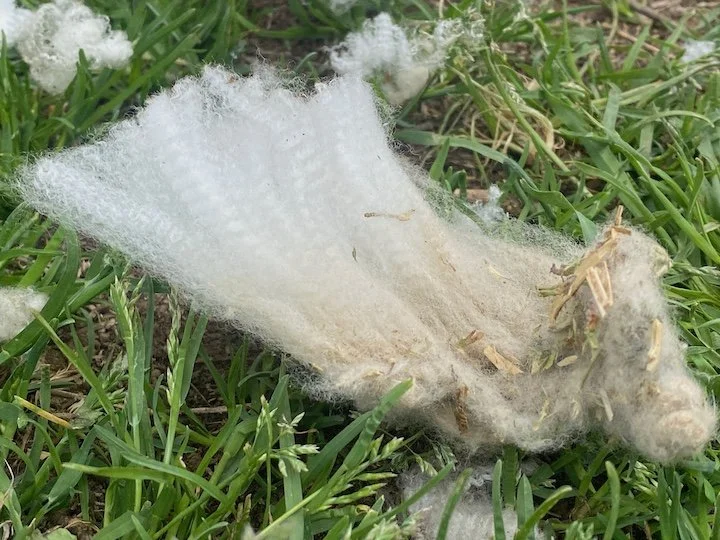
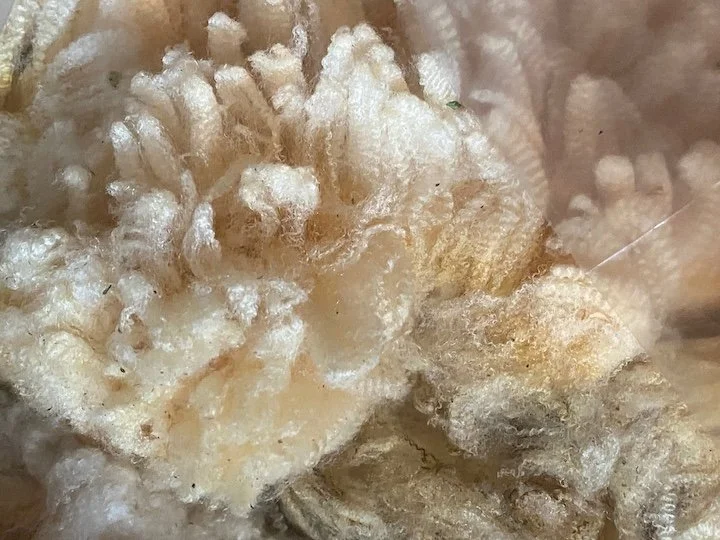
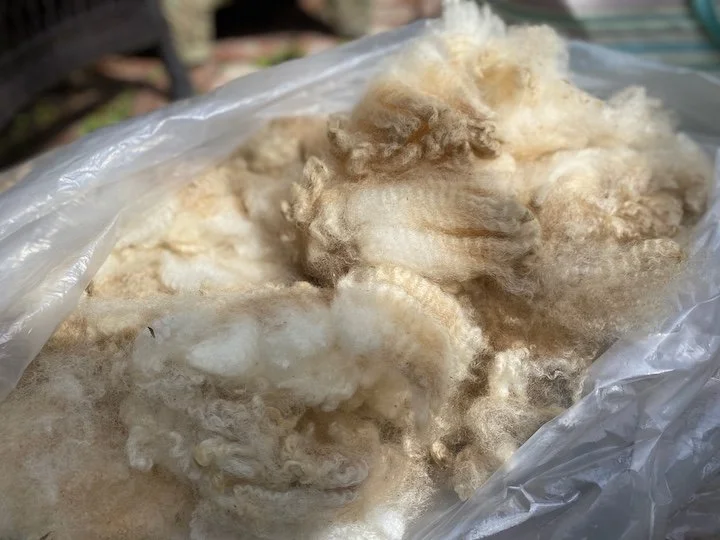
material: newly shorn fleece from G.S.'s home-ranch in east Los Angeles County
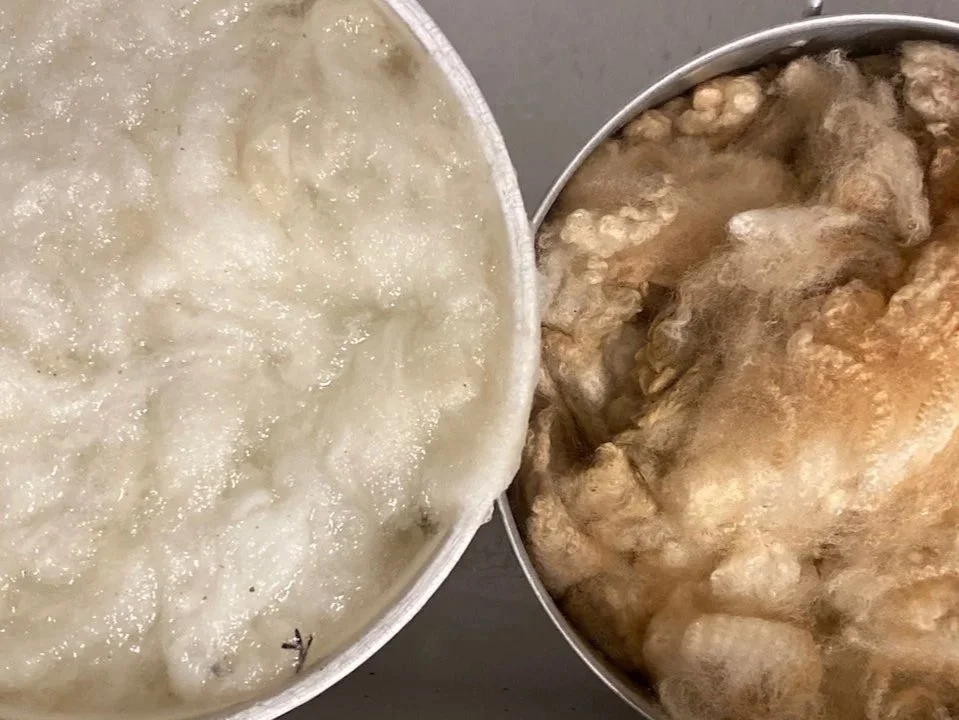
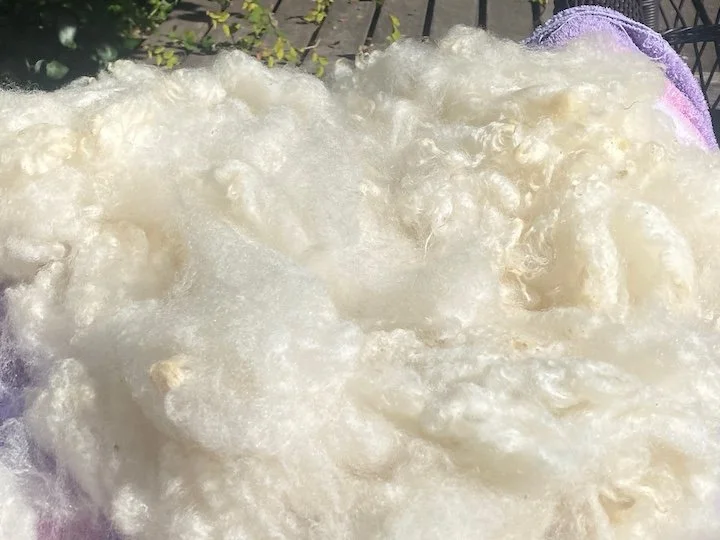
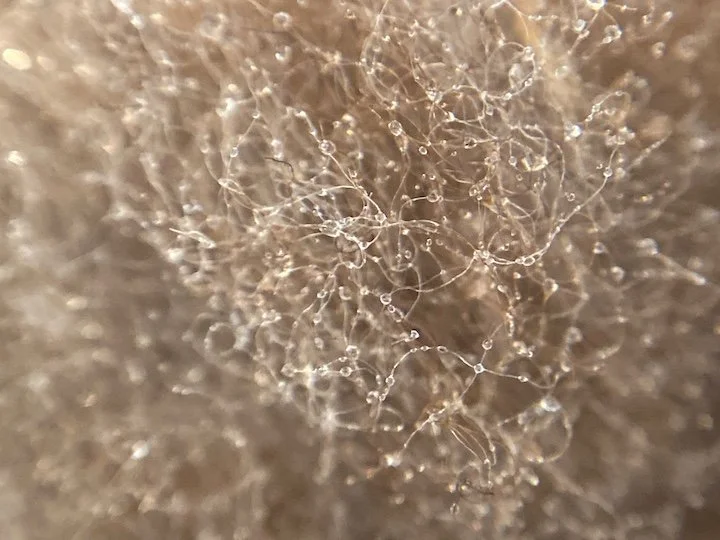
technique: scour wool with soap and warm water, repeat, repeat again; hand card; wet felt as rustic, crimped wool.
Prototype more advanced agricultural-craft skills; project paused
TWO: A PAPER COAT
material: upcycled packaging material from a roll of bamboo toilet paper
technique: trace, cut, tape
Prototyping larger scale, different shape (pattern)
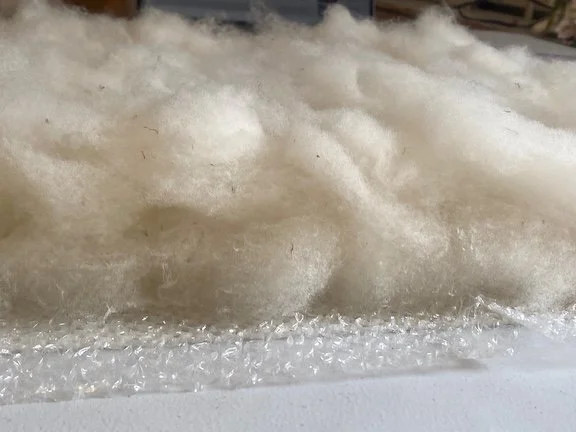
FIVE: A NOT COAT #1 (incomplete)
[note: unfinished is a method]
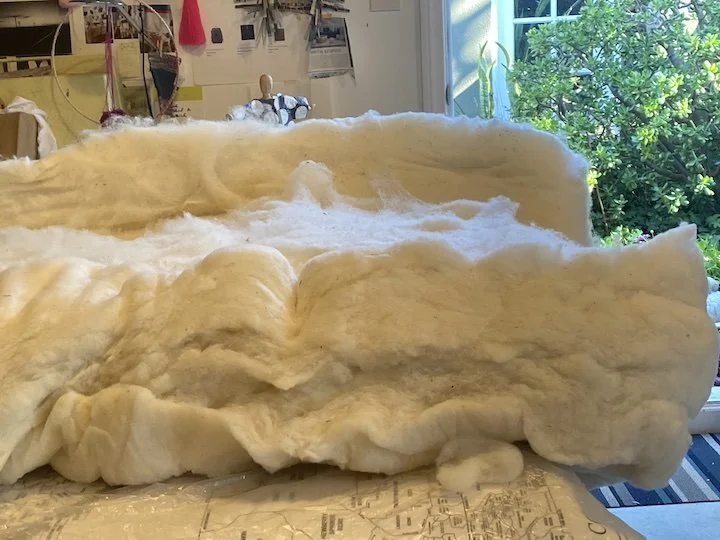
material: cream and brown wool batts from Rancho Grande in Ojai, California
technique: wet felting, embedded seeds and leaves, watch YouTube videos for training (technology as another, related form of craft)
Prototype at scale; project paused
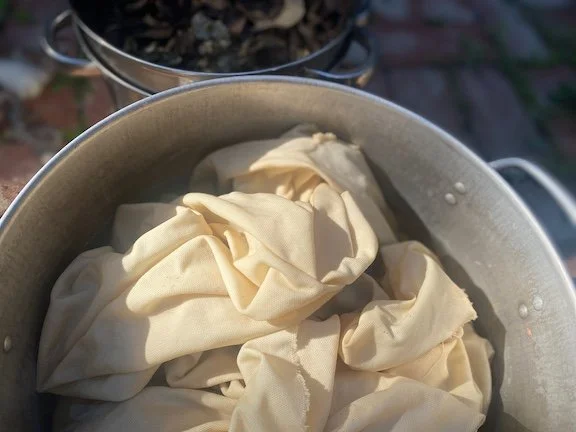
THREE: A FABRIC COAT
material: upcycled fabric
technique: dyed with eucalyptus leaves lightly foraged from trails in the Central Coast of California, cut-and-machine sew, thread (from stash)
Exploring a shift to a vernacular worker coat, prototyping scale; would the material of a traditional shepherd's coat traslate in the shape of a worker coat and its histories of labor? How is a worker coat constructed?
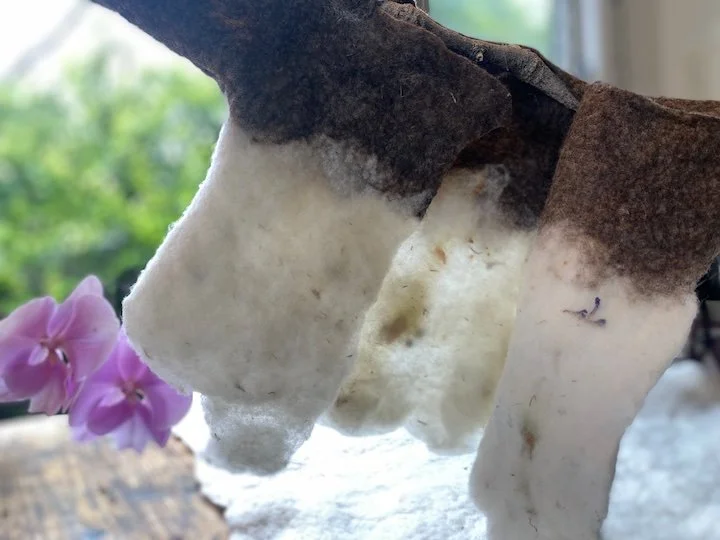
SIX: A NOT COAT #2
material: cream and brown wool batts from Rancho Grande in Ojai, California
technique: wet felting, embedded seeds, leaves, and incantations; needle felting
Prototype at maquette scale to read more as object than fashion
REFERENCES
Bardt, C. (2019). Material and mind. The MIT Press.
Le Guin, U. (1989). Dancing at the edge of the world; thoughts on words, women, places. Harper and Row.
Nye, N.S. (1995), Kindness, Words under the words: selected poems. Portland, Oregon: Eighth Mountain Press.